PORTFOLIO

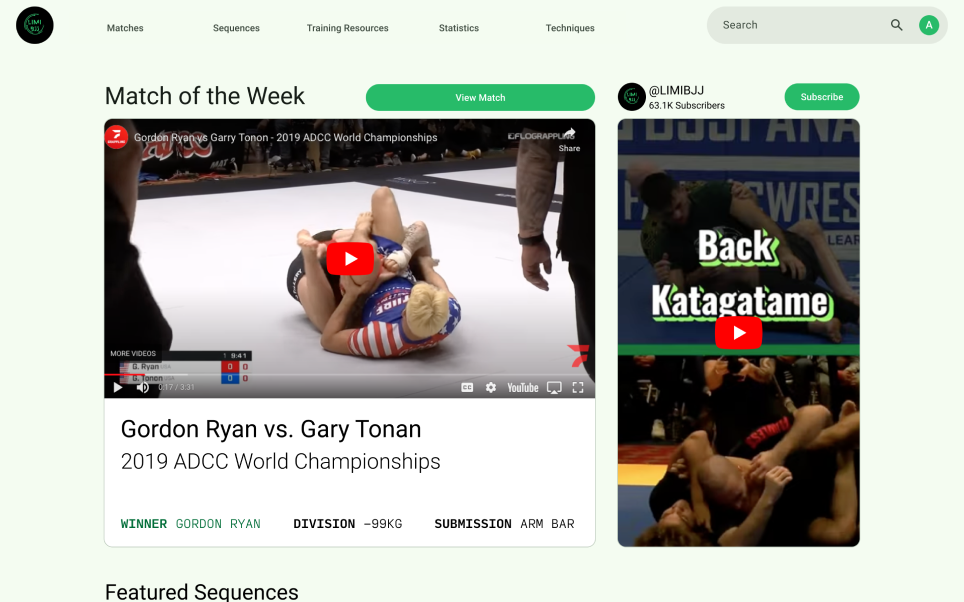
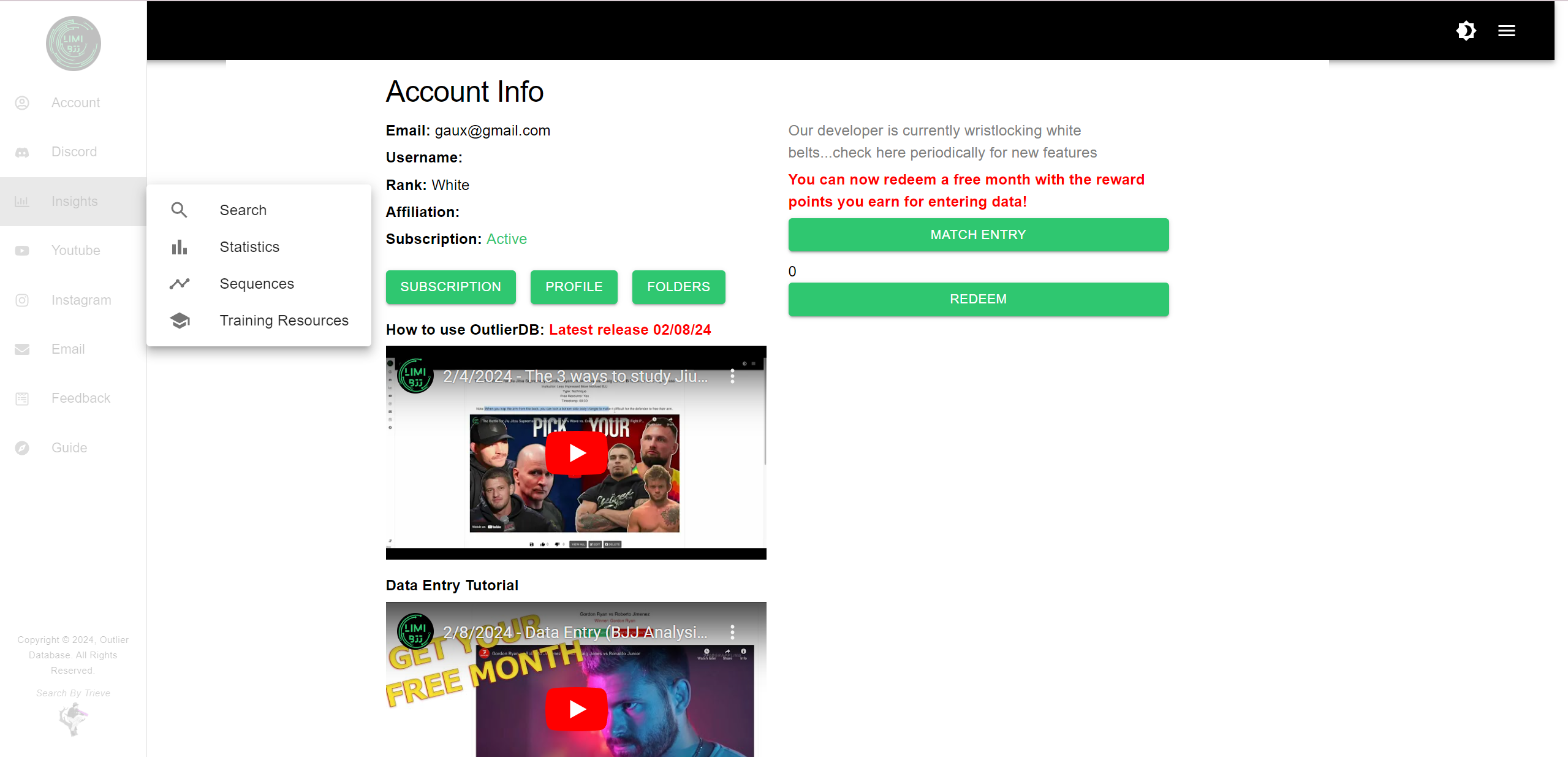
OutlierDB is unique in that there is no other BJJ training resource that organizes, annotates, and catalogues move sequences for real life BJJ matches and other content. Instead, we looked for companies that were similar in the sense that they were databases or were useful in BJJ learning.
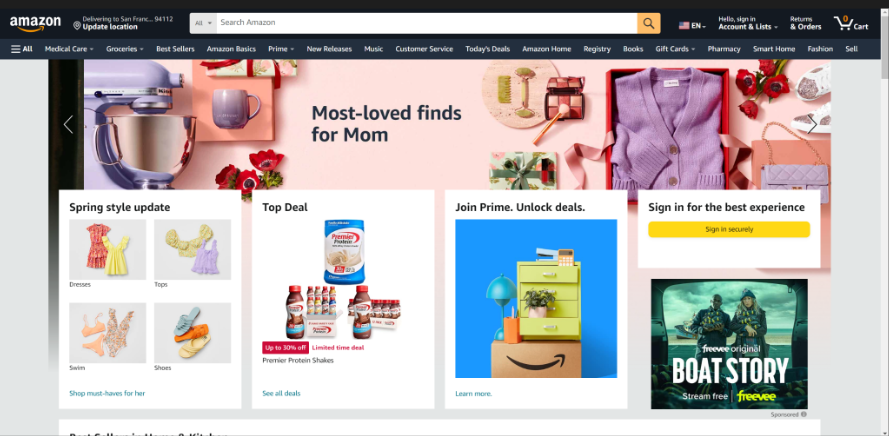
We researched Amazon because it also provides extensive search and filter tools to navigate its catalogue.
To inform our design decisions for the BJJ Database, we looked to Amazon as a familiar and widely adopted model of user interaction and organization. Amazon’s robust filter and sort functionalities help users quickly navigate vast amounts of content, a necessity we mirrored in our platform, where practitioners might search for specific techniques, positions, or instructor styles.
We were also inspired by Amazon’s personalized list feature, which allows users to create and name curated collections of products. Translating this to the BJJ context, we introduced a way for users to build their own technique playlists or study paths, ideal for tracking progress or preparing for competitions.
Lastly, we examined how Amazon enriches each product page with detailed descriptions, user ratings, and related recommendations. While our content is instructional rather than commercial, we applied similar principles: every technique in the database includes an in-depth breakdown, community feedback, and suggested techniques that connect logically or strategically, helping users build a more comprehensive understanding of their game.
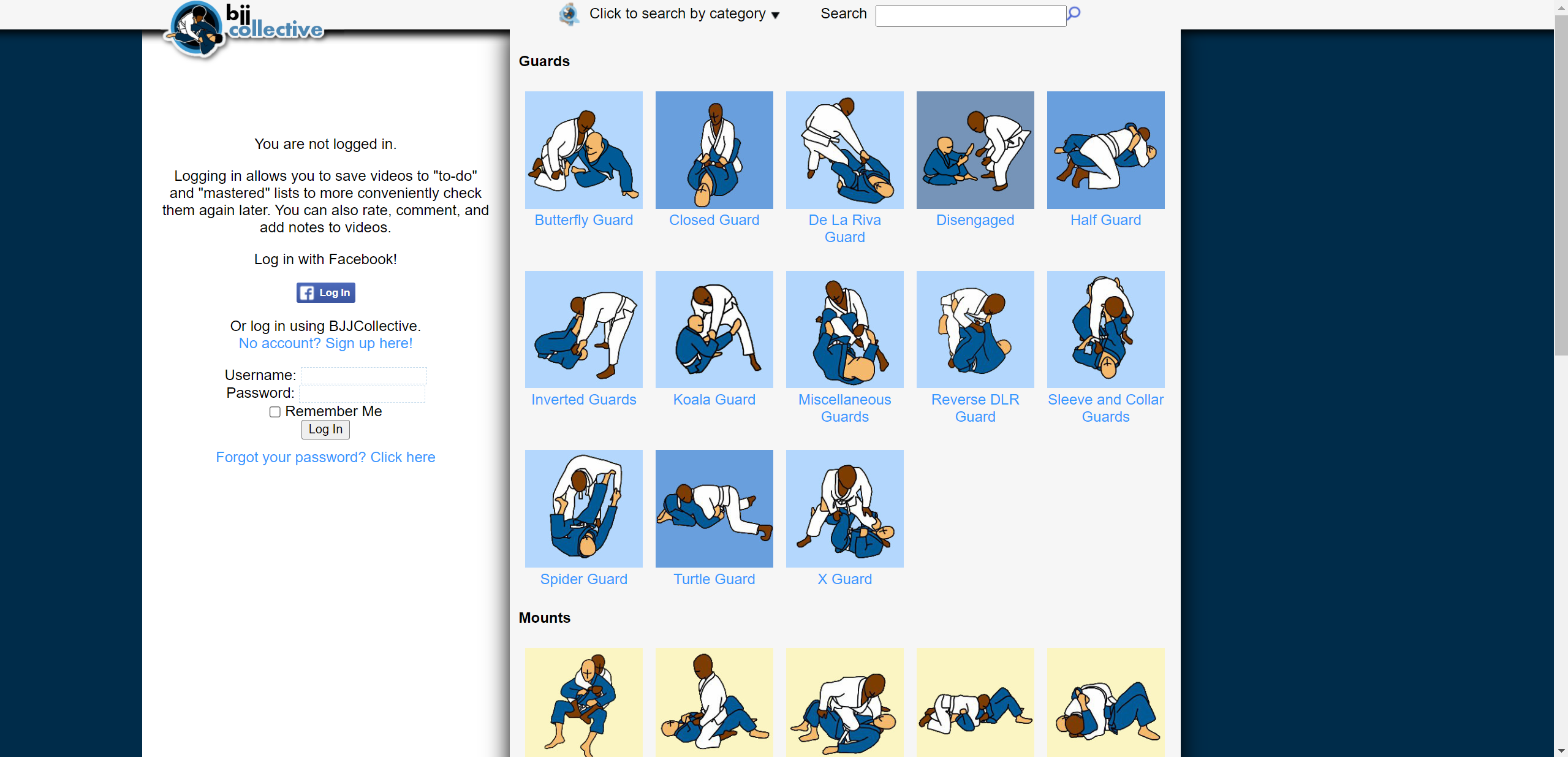
From within the online BJJ training resource space we took a look at BJJ Collective. We noted how the information was categorized into BJJ positions and methodology and how they provided images to show each position to give users a visual reference.
BJJ Collective takes a visually guided approach to organizing its content, using clear illustrations to represent each category. This not only makes the platform more approachable but also helps users quickly identify sections relevant to their needs. The search functionality is straightforward and efficient, allowing users to locate techniques or topics with minimal friction. One of the standout aspects is the way information is laid out, all essential details are presented on a single screen, reducing the need for excessive clicking or navigation and keeping the user’s focus on the content itself.
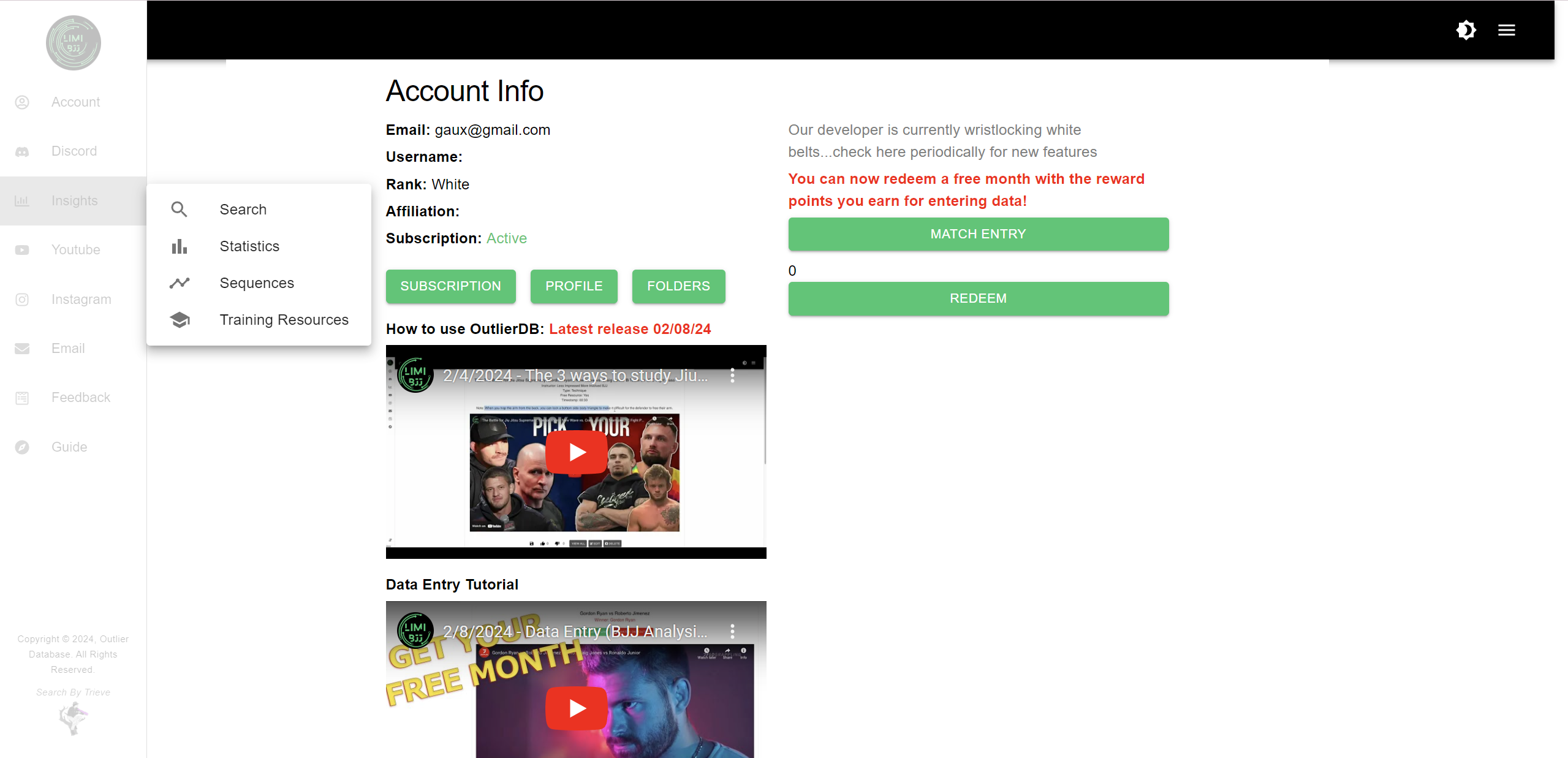
With research findings, we now understand the market better, but we need to know the users. We interviewed 7 current Outlier users and asked questions about who they are, how they got into BJJ, how they found out about Outlier, what their current experience is, and what are their goals.
Our findings show that:
"I think Outlier as a tool has a lot of potential and I'm hoping to see it reach its full potential."
Through this research we found users have varying preferences of learning styles like visual learners who prefer studying videos or analytical who just want to know what is the most efficient BJJ options. We learned that many users have similar motivations that can mostly me categorized as either self growth or with helping friends or students around them to grow, then synthesized this research into personas to help us better understand our target audience.

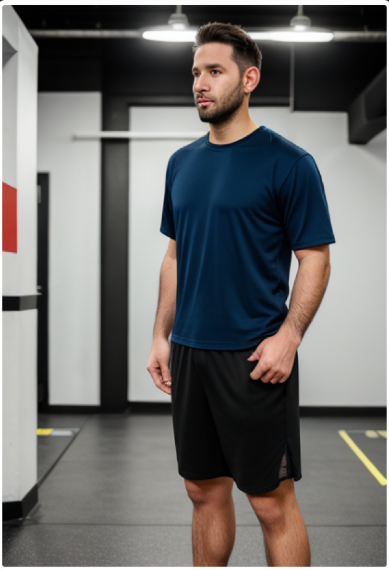
Meet Torrey Ando, our secondary persona. Although he won’t be the center of our designs, we want to make sure that anything we design will also help Torrey:He is a Brazilian Jiu Jitsu Instructor. He’s been studying BJJ for 10+ years and is a second degree black belt. He is currently training 12 students and is having a hard time finding learning materials for them to look at after lessons are over.As an analytical and organized person, he wants to find resources that can help his students study effectively and efficiently. He stumbled upon Jake’s YouTube channel, which led him to Outlier DB. He is excited about how easily he can find data to help teach his students with the specific weak points in their game. Torrey hopes this will help his students to grow and improve as athletes.
Meet Armando Barnes, our primary persona and the focus of our designs moving forward.He just moved to Williamsport, Tennessee and even though he’s new, it’s important to him to stay active and continue his BJJ training. He is currently a purple belt and wants to progress, but from reading about the local scene online, he has found that Williamsport doesn’t have many Jiu-Jitsu gyms.Armando lost his last match to an arm bar and to prepare for his next match he wants to find a counter. Since he doesn’t have a local gym to go train at, Armando decides to check online for training resources. He yearns for a resource that provides instruction that relates to his specific needs to be better prepared to win their next competition.With this, we want to center our target users who are studying and providing an easy to use resource.
We ask ourselves what might Armando’s journey be using the Outlier DB site.
Upon entering the site:
Although the data that Outlier DB provided is insightful, it was confusing for Armando to figure out how to get to the data he needed.
With this knowledge, we can conclude a problem statement for Armando:
Armando needs to have complex BJJ techniques organized and structured in an understandable way because he wants to win more tournament matches.
Once we figured out our goal, the team set out to create a prototype. We conducted moderated usability studies on 6 users by presenting them with specific tasks to complete using the prototype.
We wanted to see whether users were able to
-min.png)
If you like what you see and want to work together, get in touch!
emlin2017@gmail.com